How Lynk AI structures a session plan
Session plans are organised into clear, time-based blocks to help coaches run smooth, well-paced classes.
Written by Sumit Kapoor
Introduction
A good session plan isn’t just about what to teach—it’s also about how the session flows from start to finish. Lynk’s AI structures each session plan into logical time blocks so coaches can move confidently through warm-up, core activities, and wrap-up without guessing what comes next.
This structure mirrors how experienced coaches naturally plan sessions, while adding consistency and clarity—especially useful when managing groups, mixed skill levels, or limited session time.
How the Session Plan Is Organised
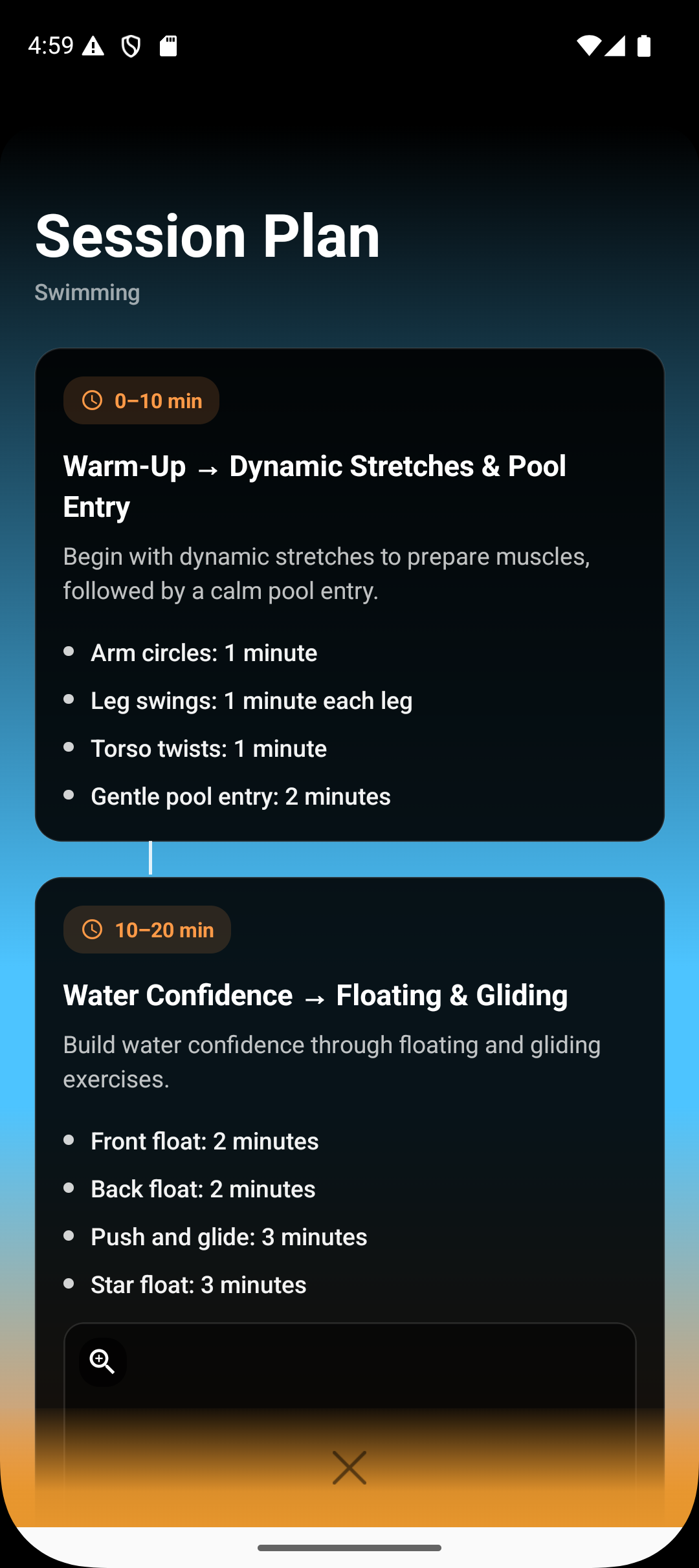
1. Warm-up / Activation block
The session typically begins with a warm-up phase designed to prepare students physically and mentally. These activities focus on mobility, coordination, and engagement, setting the tone for the rest of the session.
2. Main activity blocks
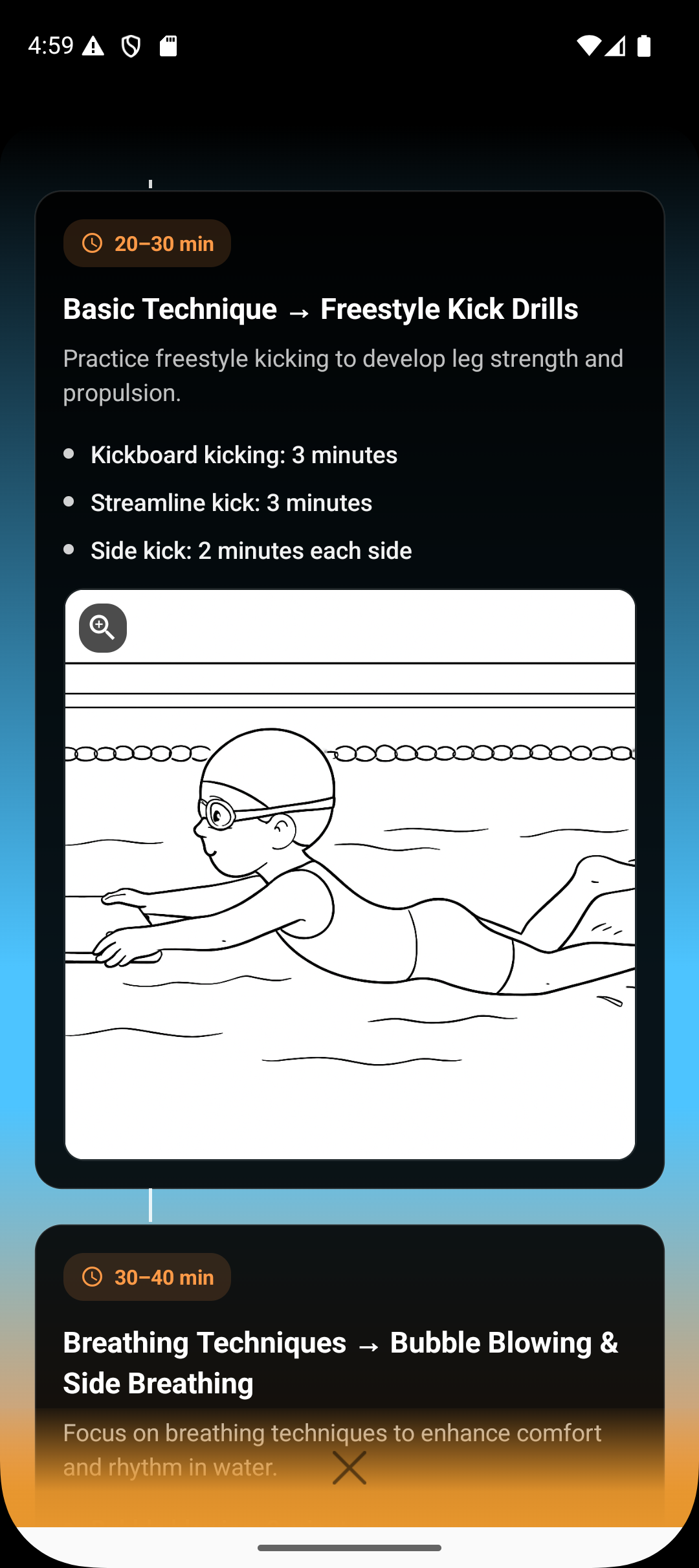
The core of the session is broken into one or more focused blocks. Each block targets specific skills or objectives, with suggested drills, repetitions, or progressions. The AI sequences these blocks so skills build logically rather than appearing in isolation.
3. Progression and variation
Within the main blocks, the plan may introduce progressions or small variations. This allows coaches to adapt based on how students respond in real time—without needing to redesign the session mid-class.
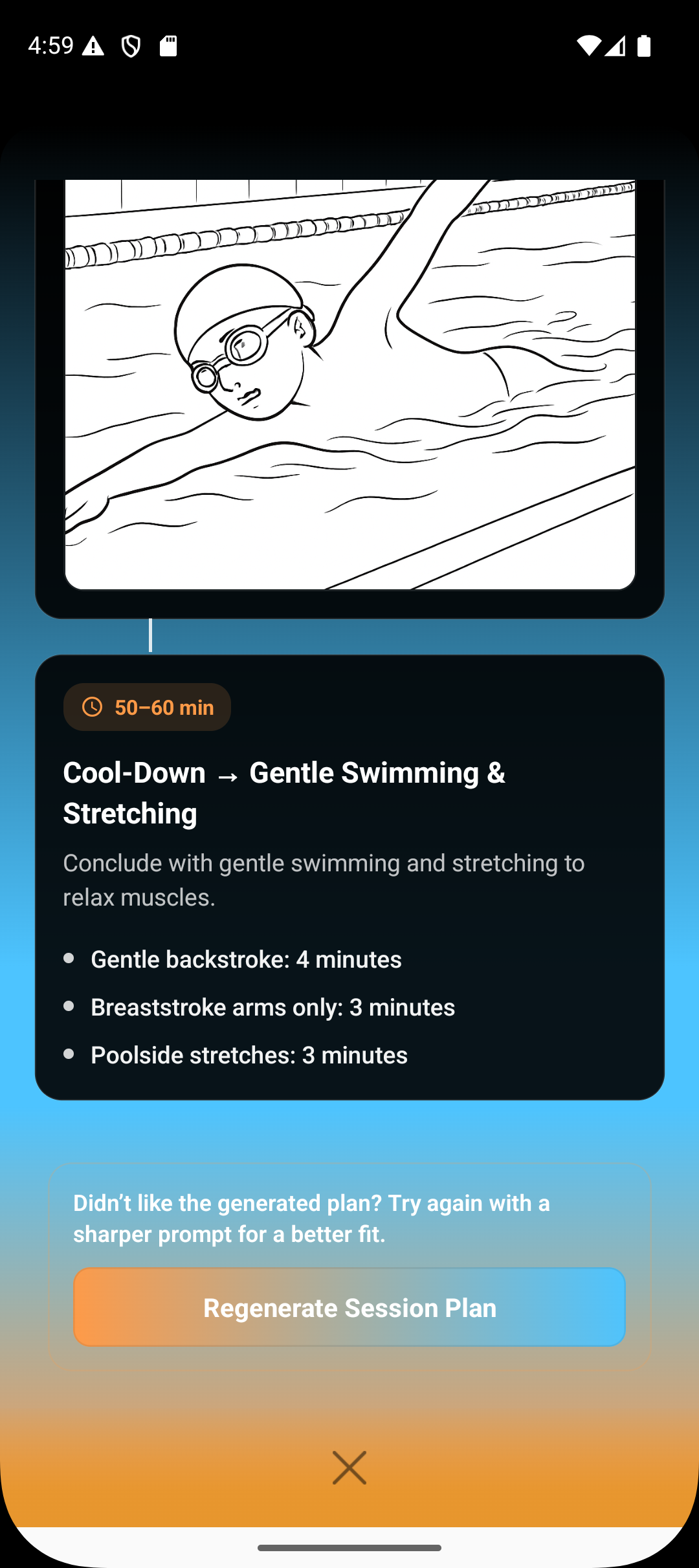
4. Cool-down or consolidation block
The session usually ends with a closing block focused on recovery, reflection, or light activities. This helps students consolidate learning and transition out of the session smoothly.
Time-Based Structure and Clarity
Each block in the plan includes suggested time allocations. These time cues help coaches manage pacing across the session, ensuring no single activity runs too long or feels rushed. While the timing is a guide, coaches can always adjust based on live session dynamics.
What This Structure Enables
Clear session flow from start to finish
Balanced distribution of effort and focus
Easier execution without constant decision-making
Flexibility to adapt while maintaining overall structure
Lynk AI provides a framework—not a rigid script—so coaches retain autonomy while benefiting from organised planning.
Summary
Lynk AI structures session plans into clear, time-based blocks that reflect real coaching flow: warm-up, focused skill work, and cool-down. By organising drills and objectives into structured segments with suggested timing, the AI helps coaches run efficient, engaging, and well-paced sessions—while still leaving room for on-the-spot adjustments and professional judgment.