How to Write a Lesson Plan: Format, Tips, Samples, and Examples
By Swathi N ·
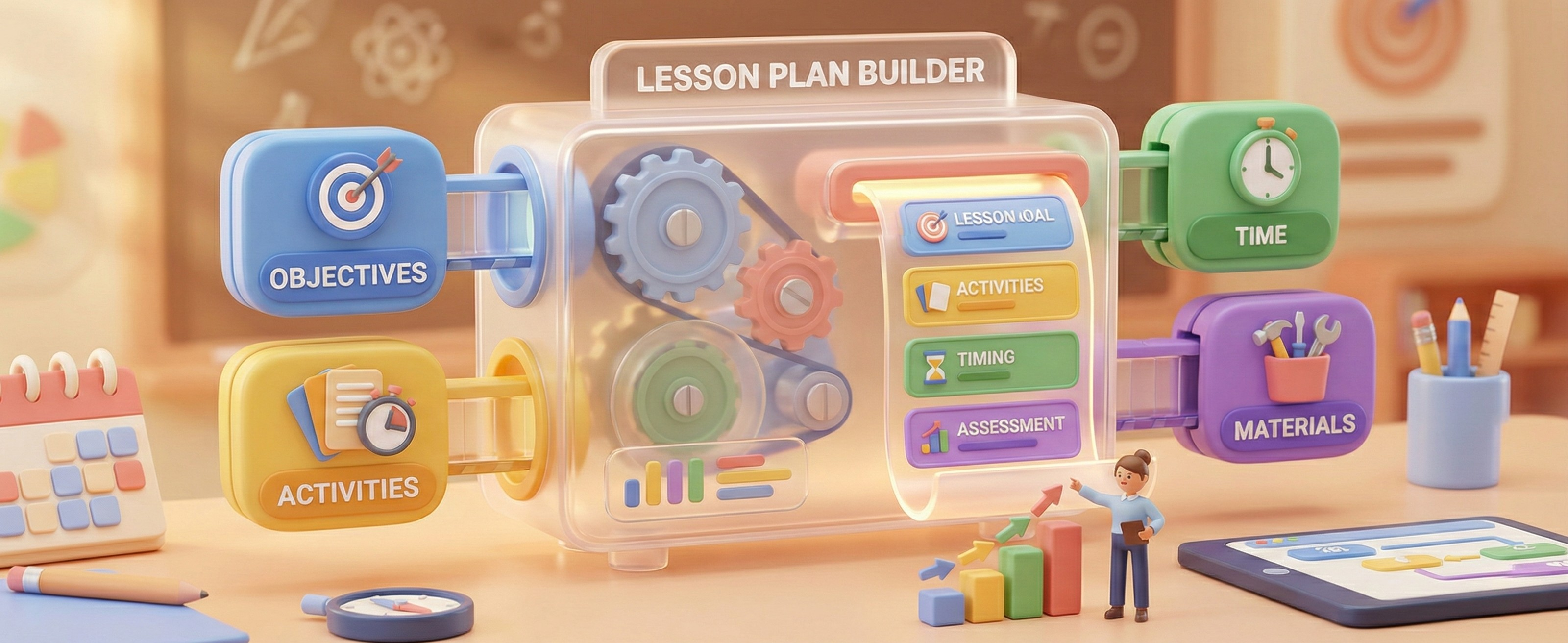
If you’re building a coaching, activity, or education business, chances are you already know your subject well. You might be a dance instructor, a sports coach, an art teacher, or someone running afterschool or weekend programs. You know what to teach. But knowing a subject and teaching it effectively are two very different things. This is where lesson plans — often called session plans in coaching and activity programs — make all the difference. A well-structured lesson plan or session plan helps you stay organized, teach with confidence, manage time better, and deliver a consistent experience to every learner — even as your batches grow or multiple instructors get involved. At Lynk, we work closely with coaches and program owners who run classes, camps, and afterschool programs. One pattern we see again and again is this: coaches who plan their lessons run smoother sessions, retain students longer, and scale more easily. In this guide, we’ll walk you through: - how to write a lesson plan - why lesson plans matter - what a good lesson plan looks like - a simple lesson plan format - a detailed lesson plan example and sample
Great teaching rarely happens by accident—it begins with a plan.
Whether you're teaching in a classroom, coaching a skill, running workshops, or managing an academy, every successful session starts with clear structure, thoughtful preparation, and purposeful delivery. Without a lesson plan, even the best ideas can feel scattered. But with the right plan, educators can create engaging, organized, and impactful learning experiences that truly help students grow.
From defining objectives and choosing activities to managing time and assessing progress, lesson planning is one of the most powerful tools an educator can use. And today, with both traditional methods and AI-powered tools available, creating effective lesson plans has become more flexible and efficient than ever.
What is a Lesson Plan?
A lesson plan is a guide that outlines what a teacher, coach, or educator wants learners to study during a lesson and how that learning will take place. It helps organize the session by encouraging the educator to plan objectives, resources, teaching strategies, and activities in advance.
A well-structured lesson plan format also prepares educators for possible misconceptions, learning challenges, and the instructional methods needed to effectively deliver key teaching points. Whether used as a teacher lesson plan format, coaching lesson plan, or session plan, it serves as a roadmap that makes teaching more organized, purposeful, and effective.
.png)
How to Write a Lesson Plan (Key Components)
A good lesson plan begins with one essential foundation: a clear and deep understanding of the lesson's content, context, and desired outcomes. Before deciding how to teach, educators must first understand what they want learners to achieve, why it matters, and how the session fits into broader curriculum or coaching goals.
Whether you're creating a teacher lesson plan format, coaching lesson plan, or session plan, an effective plan is more than a schedule—it's a strategic teaching blueprint that combines preparation, delivery, engagement, and reflection.
A practical way to structure any lesson plan format is by dividing it into key components that guide the teaching process from start to finish.
1. Objectives and Learning Outcomes
Every successful lesson plan starts with clearly defined objectives. These objectives form the foundation of your teaching plan format by outlining what students should know, understand, or be able to do by the end of the lesson.
Strong objectives should be:
- Clear and specific
- Action-oriented
- Realistic within the lesson timeframe
- Measurable for assessment
For example, instead of saying "Students will understand geography," a better objective would be:
"By the end of this lesson, students will be able to identify all 50 U.S. states."
Start by considering:
- What is the main purpose of this lesson?
- What key skills or knowledge should students gain?
- How does this connect to larger curriculum standards or long-term learning goals?
Many educators also use assessment questions as intended outcomes, making it easier to track progress throughout the lesson.
2. Curriculum and Content Alignment
A strong lesson plan should align with curriculum requirements, educational standards, or broader coaching goals. This ensures that each session contributes to larger developmental outcomes rather than functioning as an isolated activity.
This includes:
- Grade-level or skill-level expectations
- Subject standards
- Long-term topic goals
- Cross-functional skills like critical thinking or problem-solving
For example, a lesson may teach story structure while also supporting reading comprehension standards.
3. Materials and Resources
A well-prepared lesson plan sample includes all required teaching materials and resources in advance. Planning resources early prevents disruptions and allows smoother lesson delivery.
This may include:
- Worksheets or textbooks
- Visual aids
- Technology tools or educational apps
- Videos, presentations, or slides
- Shared spaces like labs or sports venues
Effective lesson planning also means thinking strategically about how materials can improve engagement. Diverse resources help cater to different learning styles and make lessons more interactive.
.png)
4. Procedure and Instructional Flow
The procedure is the step-by-step structure of how the lesson will be delivered. This is often the core of a teacher lesson plan format because it outlines:
- Lesson opening or dynamic introduction
- Teaching methods
- Key discussion points
- Activities and transitions
- Group sizes (individual, pairs, small groups, whole class)
- Closing summary
A strong procedure doesn't just focus on what to teach—but how to teach it effectively.
This is where instructional strategies matter:
- Will students discover information independently?
- Will you use questioning techniques?
- Will activities encourage discussion, creativity, or practical application?
Planning content delivery clearly ensures anyone reading the lesson plan could teach it successfully.
5. Pre-Assessment and Student Readiness
Before teaching, it's important to assess what learners already know. A quality lesson plan includes pre-assessment to understand:
- Existing knowledge
- Skill gaps
- Misconceptions
- Students who need support or enrichment
Pre-assessment can be:
- Quick quizzes
- Group discussions
- Diagnostic questions
- Review activities
This step helps tailor the lesson to student needs instead of assuming a one-size-fits-all approach.
6. Dynamic Opening
First impressions matter in teaching. A strong session plan should begin with an engaging opening that captures attention and creates relevance.
Effective openings may include:
- A thought-provoking question
- Humor or storytelling
- Real-world examples
- Demonstrations
- Current events
- Problem-solving scenarios
The goal is to create curiosity and emotional investment before instruction begins.
7. Learning Activities
Learning activities are the heart of the lesson plan. These should directly support lesson objectives while keeping students engaged.
Good activities should:
- Match learning goals
- Be age and skill appropriate
- Encourage participation
- Include varied formats
- Balance instruction with application
Examples:
- Discussions
- Worksheets
- Projects
- Skill drills
- Role-play
- Group presentations
Variety improves retention and allows learners to apply concepts in multiple ways.
8. Stickability (Retention and Takeaway)
Stickability refers to the part of the lesson that truly "sticks" with students after the session ends.
Ask yourself:
What is the one key idea, skill, or understanding students must retain?
This could be:
- A formula
- A concept
- A life skill
- A coaching technique
To improve stickability:
- Use repetition
- Reinforce keywords
- Ask reflection questions
- Summarize key takeaways
- Encourage students to explain learning in their own words
A lesson is only successful if learning is remembered.
9. Assessment
Assessment measures whether your teaching objectives were achieved. Without assessment, it's difficult to know whether learning actually happened.
Assessment methods may include:
- Quizzes
- Oral questions
- Group presentations
- Homework
- Practical demonstrations
- Exit tickets
Assessment should align directly with lesson objectives and provide measurable evidence of progress.
10. Closure
A good lesson should end with purpose. Closure helps reinforce learning, clarify misunderstandings, and connect the session back to objectives.
Examples:
- Recap key points
- Ask reflection questions
- Summarize main ideas
- Quick review quiz
Closure creates cognitive completion.
11. Reflection
Reflection is essential for long-term teaching improvement. After the lesson, educators should evaluate:
- What worked well?
- What didn't?
- Were objectives achieved?
- Which students struggled?
- How can the lesson improve next time?
Reflection transforms lesson planning from a static process into continuous professional growth.
12. Leverage Technology for Efficiency
Modern lesson planning is no longer entirely manual. Technology can significantly improve lesson plan efficiency through:
- AI-generated lesson suggestions
- Session templates
- Progress tracking
- Resource organization
- Assessment automation
For teachers, tutors, and coaches digital planning tools can streamline everything from session structure to learner progress, saving time while improving consistency.
A good lesson plan is not just about filling out a template—it's about creating a purposeful learning experience. The best lesson plan format combines objectives, preparation, engagement, flexibility, assessment, and reflection into one cohesive strategy.
What Makes a Good Lesson Plan?
Creating an effective lesson plan format is not just about listing activities—it's about designing a purposeful learning journey that helps students understand, retain, and apply knowledge.
Here are some practical lesson planning tips to help you write better lessons:
.png)
1. Start with the End in Mind
Before planning activities, be clear about what you want students to learn by the end of the lesson. Define essential knowledge, skills, or outcomes first, then work backwards to create the most direct path to achieving them.
2. Keep Lessons Engaging and Interactive
Use activities that encourage thinking from the start. Discussions, group work, games, storytelling, debates, drawing, or real-life examples can improve engagement and make learning more memorable.
3. Use Real-Life Connections
Relating lessons to real-world situations, stories, or personal experiences helps students understand concepts more deeply and see practical relevance.
4. Build in Regular Assessment
Use quick assessments like hinge questions, exit tickets, quizzes, or recap exercises throughout the lesson to measure understanding and adjust teaching as needed.
5. Manage Time Realistically
Estimate how long each activity will take, allow buffer time for unexpected delays, and keep backup activities ready. Good timing prevents rushed lessons and unfinished objectives.
6. Include Movement and Breaks
Physical movement or active learning opportunities can improve focus, especially for younger learners. Short movement breaks can refresh attention and improve participation.
7. Make Your Plenary Count
End each lesson with a strong conclusion that reinforces objectives, checks understanding, and previews future learning.
8. Anticipate Challenges
Think ahead about where students may struggle and prepare strategies to address misconceptions before they become barriers.
The best teaching plan format is clear, flexible, and learner-focused. Great lesson planning balances structure with adaptability—helping educators stay organized while meeting students' real needs. A successful lesson is one where students stay engaged, achieve meaningful progress, and leave with knowledge that lasts.
Lesson Plan Example / Sample
To better understand how a lesson plan format or coaching lesson plan comes together, here's a practical lesson plan sample for an elementary art session.
Lesson Title: Creative Collage – Exploring Texture, Shape, and Story
Learning Objective
Students will create an original mixed-media collage that demonstrates the use of texture, shape composition, and a simple narrative idea using safe, age-appropriate materials.
Key Learning Goals
By the end of the lesson, students should be able to:
- Use at least three different textures in artwork
- Demonstrate understanding of shape, layering, foreground, and background
- Communicate a simple story or idea through collage
- Practice safe use of scissors and glue
- Express creativity through personal artistic choices
Materials and Resources
- Colored paper, tissue paper, patterned paper
- Fabric scraps, foil, textured materials
- Crayons for texture rubbings
- Child-safe scissors
- Glue sticks
- Base paper/cardstock
- Sample collage examples
- Anchor chart for brainstorming story ideas
Opening Activity (Engagement Hook)
Begin with a sensory "touch-and-guess" activity where students feel different textures (foil, tissue, felt) and describe them.
Hook Question:
"If you could build a tiny world from scraps, what would it have?"
This encourages imagination while introducing the concept of collage as storytelling.
Introduction to New Material
The teacher:
- Explains collage as art created from combining materials
- Shows sample collages demonstrating texture, layering, and simple storytelling
- Demonstrates:
- Tearing vs. cutting paper
- Crayon texture rubbing
- Dot-glue technique for neat assembly
Mini Discussion:
Students brainstorm ideas for:
- Setting
- Character
- Action
Guided Practice
Step-by-Step:
- Choose a story idea
- Select materials for characters and setting
- Arrange shapes before gluing
- Discuss foreground and background
Scaffolded Questions:
- What texture best fits your story?
- Which shape is most important?
- How can layering show depth?
Independent Practice
Students create their own collage using:
- At least 3 textures
- At least 5 shapes
- Layering to show composition
They then complete a short artist statement:
"My collage shows ____. I used ____ to create ____."
Assessment
Formative Assessment:
- Safe scissor use
- Participation
- Material choices
- Verbal explanation
Summative Assessment:
Completed collage scored on:
- Texture variety
- Shape composition
- Narrative clarity
- Craftsmanship & safety
Total Score:
10-point rubric
Closing
Quick activity: Gallery walk (students place collages on tables/wall). Each student makes a thumbs-up and one-word response for two peers' work (teacher models: "Calm", "Busy", "Sparkly").
Exit prompt: Each student tells the teacher one word that describes their collage; teacher records for assessment notes.
Manual vs. AI-Assisted Lesson Planning
| Factor | Manual Planning | AI-Assisted Planning |
|---|---|---|
| Time Required | 45–120+ minutes per lesson | 10–20 minutes per lesson |
| Creative Control | High | Moderate (customizable) |
| Personalization | Strong | Requires editing |
| Consistency | Varies based on time/energy | More standardized |
| Standards Alignment | Manual cross-checking needed | Often integrated |
| Adaptability to Student Needs | Excellent | Limited without teacher input |
| Idea Generation | Based on teacher creativity | Fast access to multiple ideas |
| Best For | Experienced educators, customized lessons | Time-saving, new teachers, draft creation |
| Risk Factors | Burnout, time drain | Accuracy issues, over-reliance |
| Skill Development | Strengthens planning expertise | May reduce skill growth if overused |
The Best Approach: Hybrid Planning
For many teachers and coaches, the most effective strategy is combining both methods.
Use AI for:
- First drafts
- Routine lessons
- Standards alignment
- Differentiation ideas
- Planning unfamiliar subjects
Use Manual Planning for:
- Personalization
- Special projects
- Student-specific interventions
- Classroom culture integration
- Creative signature lessons
In this hybrid model, AI handles structure and speed, while teachers provide the intuition, context, and creativity that make lessons truly meaningful.
Few Platforms That Can Help with Lesson Planning
Today's educators have access to a growing number of digital tools that make lesson planning faster, more organized, and more creative. Whether you need AI-generated lesson plans, customizable templates, or collaborative planning spaces, the right platform can significantly improve your workflow.
Here are a few popular platforms that can support teachers, tutors, and coaches in building better lesson plan formats:
Canva
.png)
Canva is ideal for educators who want visually appealing lesson plan templates, weekly planners, or session plans. Its drag-and-drop design tools make it easy to create organized, printable, and presentation-ready teaching plans.
Notion
.png)
Notion provides flexible lesson planning templates and organizational tools for teachers who prefer detailed, customizable planning systems. It works well for long-term curriculum mapping, collaborative planning, and managing multiple classes in one workspace.
Conclusion
A well-crafted lesson plan is the backbone of effective teaching. It helps teachers, coaches, and educators stay organized, deliver engaging lessons, and ensure learners achieve meaningful outcomes.
Whether you prefer manual planning for personalization or AI-assisted tools for speed and efficiency, the best approach is often a balance of both. Modern platforms like Canva, Notion, MagicSchool AI, and Auto Classmate can simplify planning, while solutions like Lynk help educators go beyond lesson creation by supporting scheduling, communication, and overall coaching management.
In the end, great lesson planning isn't just about structure—it's about creating better learning experiences while making teaching more efficient and impactful.