How to Start a Martial Arts Academy: A 2026 Playbook
By Swathi N ·
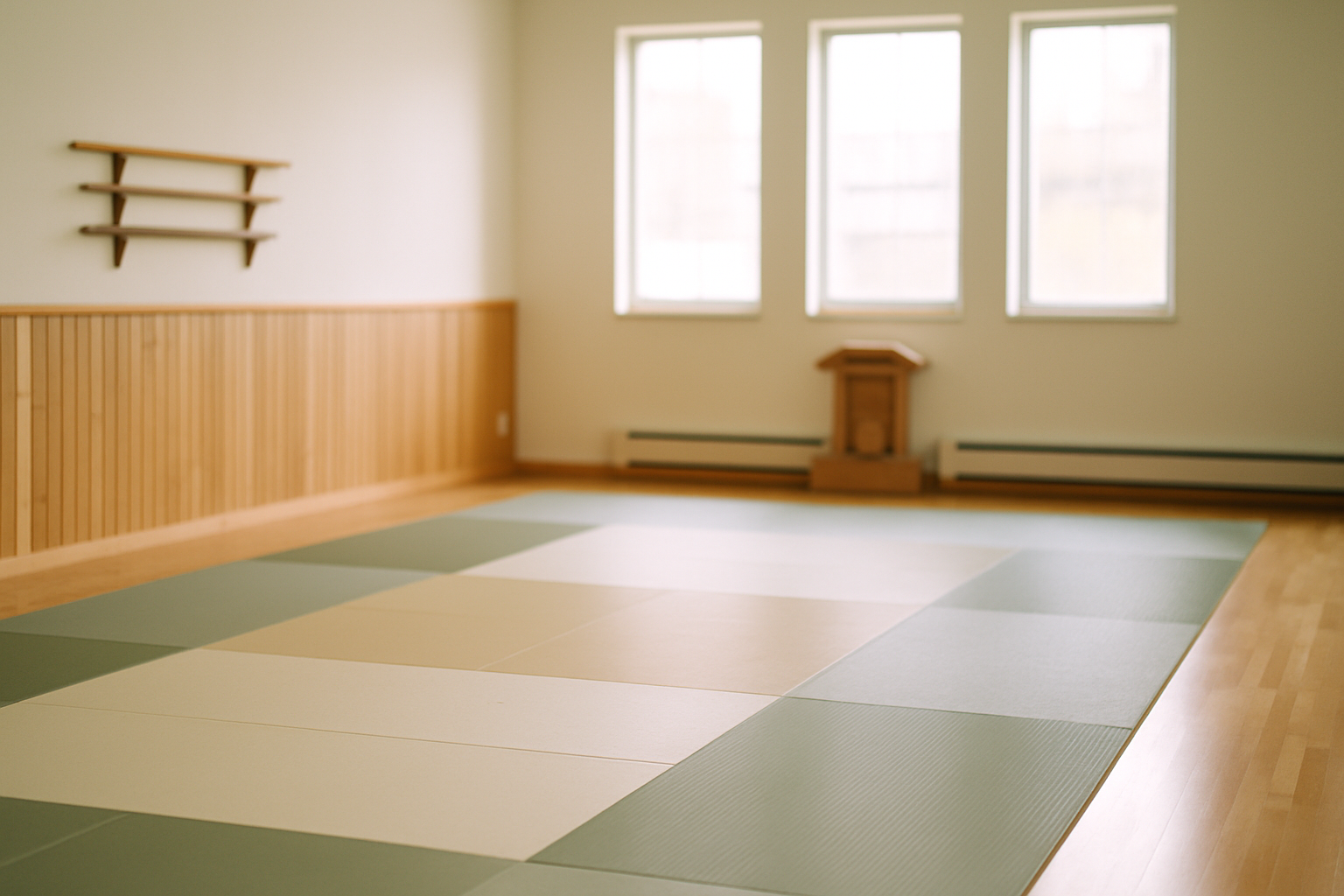
Thinking of opening a martial arts academy in 2026? From startup costs to mat space, here's the playbook that covers what'll actually keep you up at night.
Picture a Tuesday morning in a mid-sized city — could be Bengaluru, could be Bristol, could be somewhere in between. A converted warehouse, mats still slightly cold, twelve adults warming up before the 6 a.m. class starts. Not a single treadmill in sight. That's where the martial arts market is right now: genuinely, almost surprisingly, alive.
Urban fitness has shifted. People want something that fights back a little.
So if you've been sitting on the idea of opening your own academy, the timing isn't bad — and this playbook is going to walk you through the whole thing without skipping the parts that actually cost you sleep. Startup capital runs somewhere between $8,000 and $25,000 depending on where you're setting up and what format you're running (a full-floor space in a metro suburb costs very differently from a shared studio in a secondary city). Break-even, if you're disciplined about enrolment and not bleeding money on lease overruns, typically lands somewhere in the 9–18 month window.
The build itself breaks into four phases: getting your legal structure sorted, locking down your space and equipment, building out your curriculum and pricing model, and then actually filling the place with students. Each one has its own traps. We'll cover all of them.
Phase 1: Register the business and handle compliance
Most people do this backwards. They fall in love with a space, sign the lease, start telling people about their new academy — and then scramble to sort out registration and compliance after the fact. Don't. Get every piece of paperwork in order before you even think about putting pen to paper on a rental agreement.
Here's why it matters: landlords will ask for your business licence. Not some of them. Most of them. And showing up to that conversation without one doesn't just delay things — it can cost you the space entirely if someone else is waiting in the wings.
Register first. Everything else follows.
Business structure
- Sole proprietorship — dead simple to set up, and the fees are basically nothing. But the moment a student rolls an ankle and decides to call a lawyer, your personal bank account is fair game. Use this structure only if you're testing the waters — a pop-up class, a community hall rental, something temporary.
- LLC (US) / Ltd (UK) / Pty Ltd (AU) — this is what most permanent academies run. In the US, a single-member LLC will cost you anywhere from $50 to $500 depending on which state you're in; UK founders pay around £50 to Companies House and that's pretty much it. The liability protection alone is worth the paperwork. Once you've got paying students on a mat, you shouldn't be operating without it.
- Partnership or corporation — if you're co-founding with another instructor, the structure gets more complicated. Get a proper partnership agreement drafted before you open your doors. Not after. Split-ownership disputes are, by a wide margin, the most common way co-founded academies implode — and most of them were entirely preventable.
Tax and regulatory registration
Here's the thing nobody tells you when you're setting up a martial arts academy: the tax registration side of it is actually pretty painless. Annoying, yes. Complicated? Not really.
If you're in the US, start with your EIN — it's free, it's on the IRS website, and the whole thing takes about ten minutes. State sales tax is trickier only because the rules differ everywhere, but here's the short version: most states won't tax your actual instruction, so your classes are usually fine. Sell a gi or a pair of sparring gloves, though? That's taxable merchandise. Check your state's Department of Revenue to confirm where you stand.
UK founders need to register either for self-assessment or as a limited company through HMRC — which route depends on how you've structured the business. One threshold worth knowing immediately: if your annual turnover is going to clear £90,000, VAT registration isn't optional.
The EU is where things get slightly more fragmented, because VAT thresholds aren't standardised across member states. Germany sits at €22,000; France is €36,800 for services. Register in the country where your academy physically operates — that's the baseline rule, even if you're eventually trading across borders.
And in Australia, ABN registration is free through the ATO. GST kicks in once your revenue hits AUD $75,000, so if you're scaling fast, keep an eye on that number earlier than you think you need to.
Trade license and premises permission
Get your general business licence sorted first — it goes by different names depending on where you are (trade licence, occupation permit, whatever your municipality calls it), but every city wants one. Then look hard at the space itself. If the building was previously used as retail or office, you'll almost certainly need a change-of-use approval before you can run classes there. Converting to assembly or sports use triggers a separate building permit in most jurisdictions, and this is the bit that catches people off guard.
Pull that thread early. Seriously.
In most US cities, budget 4–8 weeks for the full approvals cycle — longer if your building department is backlogged, which many are. The UK is a bit more lenient; permitted development rules tend to be friendlier for ground-floor conversions, so the timeline there is usually shorter. But don't assume. Check with your local planning authority before you sign a lease, not after.
Child safety policy
Safeguarding isn't the paperwork people pretend it is. If you've got kids training — and you will, because martial arts pulls families in from day one — you need an actual documented policy, not a paragraph buried in your welcome email.
What that looks like depends on where you're operating. In the UK, your policy needs to align with the NSPCC's Safeguarding in Sport framework, and every instructor working with under-18s needs a DBS (Disclosure and Barring Service) check. No exceptions, no "we're a small club" workarounds. In the US, most youth-sports liability insurers won't cover you unless every coach holds a SafeSport certification (or an accepted equivalent). And if you're setting up in the EU, you're working under country-level child protection legislation — in Germany, that's the Jugendschutzgesetz.
Here's what catches people off guard: insurers actually read these policies. They're not scanning for a title page and moving on — they look for substance. And parents do too, particularly if you're running residential camps or overnight programmes. They will ask. Have something real to show them.
Insurance
What happens if a student tears a ligament on your mat on day one — are you covered?
That's the question worth sitting with before you sign a lease or buy a single piece of equipment. Here's what you actually need:
- General liability — the baseline. $1M–$2M per occurrence is the standard bracket for small academies, and you're looking at roughly $800–$2,000 a year for that coverage.
- Professional liability (errors & omissions) — this one covers injury claims that trace back specifically to your instruction. Not optional if you're teaching contact sports.
- Commercial property — protects your equipment. Mats, bags, weapons racks, all of it.
- Workers' compensation — mandatory in most US states the moment you bring on any instructor, part-time included. Don't wait until someone's on payroll full-time to sort this out.
One practical tip: don't just walk into your usual business insurer and ask for a quote. Specialist sports-facility insurers — Philadelphia Insurance Companies is a well-known one in the US; in the UK, look at insurers affiliated with British Gymnastics — bundle these policies together in ways that are almost always cheaper than cobbling them individually through a general provider.
Phase 2: Space, equipment, and setup costs
Space sizing
Here's the mistake most people make: they calculate total enrolment, panic at the number, and sign a lease on a space twice the size they actually need. Don't do that.
What you actually need is 120–150 sq ft per student on the mat at the same time — not per student on your register. A 1,500 sq ft floor runs 10–12 people comfortably. That's it. Three to five batches a day means your peak batch is the number that matters, and your peak batch is almost never your total headcount.
Plan for your busiest hour. Not your busiest month.
Now, ceiling height — and this is the one people consistently underestimate until someone's foot hits a light fitting. Ten feet is the bare minimum you can work with. If you're running taekwondo or wushu, get 12–14 ft of clearance or your students will be modifying their kicks from day one, and that's a terrible way to teach. Floor area is negotiable. Ceiling height, for anything involving kicks or weapons, really isn't.
Flooring
Flooring is where you'll either build trust with your students or lose it on day one. It's also the single largest equipment expense you'll face.
Here's how the options break down:
- Interlocking foam puzzle mats (EVA foam): $1.50–$3.00/sq ft. Perfectly adequate for beginner classes and kids' programmes. Under heavy daily use, plan to replace them every 2–3 years — they compress, they shift, and eventually they start looking cheap.
- Tatami-style mats (vinyl-covered foam): $4–$8/sq ft. The standard choice for judo, BJJ, and jujitsu schools. Better fall absorption than EVA foam, and the look reads as professional rather than makeshift.
- Spring-mounted hardwood floor: $15–$30/sq ft installed. If you're running a serious taekwondo competition academy, this makes sense. For a mixed-style school? Overkill — and your budget will thank you for skipping it.
For a 1,200 sq ft mat area, you're looking at somewhere between $2,000 and $10,000 depending on which system you go with. That's a wide range — so nail down your style focus before you spend a rupee.
Mirrors, sound, and lighting
Here's something that catches a lot of new academy owners off guard: you can have the perfect mat, the right equipment, the ideal location — and still have students who can't self-correct their form because there's nowhere to look.
Mirrors aren't a luxury. For any forms-based art — karate kata, taekwondo poomsae, wushu — they're how your students actually learn. A full-wall run (20 ft) costs $800–$2,500 installed. That's it. Spread that across your first year and it's basically nothing.
Sound is the one that gets skipped most often, and it shouldn't be. A decent setup — two ceiling speakers, an amplifier, a Bluetooth receiver — runs somewhere between $400 and $1,200. The difference between barking commands into dead air and having them land cleanly across a noisy warm-up? Night and day. Warm-up music matters too, more than most instructors admit.
Lighting is less glamorous but gets ugly fast if you ignore it. The standard spec for athletic spaces is 50–75 foot-candles across the mat — bright enough to work, even enough that nobody's squinting in one corner while another corner is washed out. LED high-bay fixtures will get you there. Budget $600–$1,500 for a mid-sized space, and don't cheap out on the install.
Equipment list and capex
| Item | Estimated cost |
|---|---|
| Flooring (1,200 sq ft tatami) | $5,000–$9,600 |
| Mirrors | $1,000–$2,500 |
| Heavy bags (6–8) | $600–$2,000 |
| Pads and mitts (assorted) | $400–$900 |
| Dummy/training mannequin | $150–$600 |
| Weapons rack + basic weapons | $200–$500 |
| Signage (exterior + interior) | $500–$2,000 |
| Sound system | $400–$1,200 |
| Office/reception setup | $300–$800 |
| Changing room fit-out | $500–$2,000 |
| Total capex estimate | $9,000–$22,000 |
That's your floor-to-door number — before rent hits. Stack first-month deposit and any leasehold improvement costs on top of that, and most founders are somewhere between $15,000 and $30,000 deep before a single student sets foot on the mat.
The tatami is where most of that money goes, and it should be. Cheap flooring is a liability nightmare — literally. Get the 1,200 sq ft right, and everything else on that list is almost rounding errors by comparison. The bags, the pads, the dummy — you can source those gradually if cash is tight. The floor? Don't compromise on day one.
Phase 3: Curriculum and pricing
Which disciplines to lead with
So here's the question most new academy owners get wrong from the start: how many disciplines should you actually teach?
The honest answer is one to three — maximum — and only the ones you've trained deeply enough to coach with real authority. Seven arts on the timetable sounds impressive. It's also a fast way to spread yourself thin and teach everything badly.
In 2026, the commercially strongest starting points look like this:
- Karate or taekwondo — parents recognise these names, kids' programme structures are well-established, and the belt system does a lot of your retention work for you.
- BJJ (Brazilian jiu-jitsu) — adult demand is serious, revenue per student tends to run higher than most other disciplines, though you'll need a proper mat floor and enough room for live rolling.
- Kickboxing / Muay Thai — pulls in fitness-focused adults, classes run frequently, and the format pairs naturally with a good striking pad setup.
- MMA fundamentals — the 16–35 crowd loves it, but don't underestimate the equipment overhead or the cross-discipline coaching depth it actually requires.
If you're making a cold market call right now, BJJ and kickboxing/Muay Thai are the two strongest adult verticals across most Anglophone cities. Kids' karate and taekwondo aren't flashy, but they're still the most reliable volume drivers for children's programmes — and volume matters when you're building from zero.
Worth reading: the curriculum-structuring thinking in 10 Steps To Starting Your Own Dance Studio translates surprisingly well to martial arts, particularly the section on age-based batch design.
Batch structure
Picture your first week open. The 6 PM slot is packed, the 7 PM slot is packed, and your Saturday morning class has a waitlist — but your 10 AM Tuesday batch has two kids and a confused parent watching from the door. That's not bad planning, that's just how it always goes. Certain slots fill themselves; others never do. Build around reality, not optimism.
For the little ones — ages 5 to 8, the tiny tigers, the minis, whatever you want to call them — keep sessions between 30 and 40 minutes and cap the class at 12. That's not arbitrary. Coordination and listening come before any actual technique at this age, and if you've got 15 five-year-olds and one instructor, you're not running a martial arts class, you're running crowd control.
Juniors (9 to 14) can handle 45 to 60 minutes and classes up to 15 students. The belt structure starts meaning something to them at this age — introduce it properly. Light sparring can come in around the 6 to 8 month mark, not before. Rushing that part costs you more than it gains.
Adults and students 15 and up: 60 to 75 minutes, up to 20 per class for striking arts. BJJ is different — rolling needs room, and 12 to 15 is the effective ceiling if you want the mat time to be worth anything.
Competition batches stay separate from recreational ones. Full stop. And don't nudge students into it — let them self-select. The ones who want it will find their way there.
Three batches a day, five days a week. That's a sustainable early target — not aspirational, not conservative, just workable. Weekday evenings between 5 and 7 PM and Saturday mornings will fill first. Plan everything else around those anchor slots.
Pricing
The biggest pricing mistake new academy owners make? Undercharging because they're scared of losing students — then resenting every class they teach six months later. Don't do it.
Here's where the market actually sits right now:
- Kids (2x/week): $100–$160/month
- Kids (3x/week): $140–$200/month
- Adult recreational (2–3x/week): $120–$180/month
- Adult unlimited: $150–$250/month
- Private sessions: $60–$120/hour
Those aren't aspirational numbers. That's what working academies in mid-sized markets are charging right now, and most of them aren't fancy.
One thing that'll save your cash flow in those brutal first six months: push annual or quarterly pre-pay hard, with a 10–15% discount attached. You'll be amazed how many parents will take it. Suddenly you've got real money in the bank instead of chasing 47 individual monthly payments.
On free trials — yes, offer one. But one class, not one week. A week-long free trial sounds generous; what it actually does is fill your mats with people who were never going to sign up anyway. One complimentary class closes faster, filters better, and respects your time.
Charge for the uniform from day one. It's a small amount, but that's not the point — the point is that someone who's handed over money (even $30) is psychologically more committed than someone who hasn't. Conversion rates reflect this. Consistently.
Phase 4: First 50 students
Google Business Profile will do more for your first 50 students than almost anything else — and it's free. Claim it today if you haven't. Add actual photos of your mat, your classes, real people training. Get your hours right. Then ask your first 10 students to leave a review. That's it. "Martial arts near me" searches are almost entirely dominated by GBP listings, and a complete profile can start converting enquiries within days. Organic SEO? That takes 6–12 months minimum. You don't have that runway right now.
In 2026, parents don't email. They WhatsApp. Set up a WhatsApp Business broadcast list for batch updates — exam dates, holiday schedules, slot changes — and resist the urge to over-communicate. Two to four messages a month is plenty. More than that and parents start tuning you out. (US-based academies can use Signal or group SMS if WhatsApp isn't the local default.)
Here's an underused channel that actually works: school tie-ups. Walk into two or three local elementary or middle schools and ask to speak with the PE coordinator. Offer a free 20-minute demo — during a PE class, an after-school slot, whatever they'll give you. Bring a flyer with a QR code linking directly to a booking page. One solid school demo on a Tuesday afternoon can put 8–12 new students on your roster by Friday. Most academy owners never bother with this. Do it.
Instagram Reels: post two or three short videos a week. A technique breakdown. A student hitting a milestone — belt test, first sparring session. Something behind-the-scenes — mat setup, class energy, the chaos before a grading. Don't overthink production. Film it on your phone. In this niche, authenticity consistently outperforms polished content, and a shaky clip of a 7-year-old landing their first kick will outperform a slick promo video every single time.
Your three enrollment windows are September, January, and June. Back-to-school momentum, New Year energy, and summer programme sign-ups — these are the months when parents are already in buying mode. Run a discounted enrollment fee during these periods, not a discounted monthly rate. That distinction matters. Drop your joining fee as the incentive; keep your monthly pricing intact. Once you train people to expect cheaper monthly rates, you've got a pricing problem that's hard to undo.
One more thing, and don't ignore this: you need proper class management software from the very beginning. Spreadsheets feel fine at 15 students. They start cracking at 30. By 40, you're spending three hours a week on admin that software would handle in three minutes — batch bookings, attendance tracking, belt progression, billing, all of it. The How to Start a Gym & Fitness Academy: A 2026 Playbook has a solid breakdown of what to look for in class management tools for fitness-style academies, and the criteria map across almost exactly to a martial arts context.
Common mistakes new founders make
Here's one nobody tells you before you sign the lease: most new academies don't fail because of bad teaching. They fail because the founder made seven very predictable business errors in the first six months. Let's go through them.
Renting too much space too soon. A 3,000 sq ft space looks like a real academy. It also costs $6,000–$12,000 a month before you've signed up your tenth student. Don't do it. Sub-lease a corner of an existing gym, hire a community hall by the hour, or find something in the 800–1,000 sq ft range. You can always move into a bigger space when your waitlist forces the conversation.
Cutting your monthly rate to fill seats faster. Feels logical. It isn't. Drop your monthly fee to attract the first batch and you've trained the local market to associate your academy with discount prices — and the students you attract on price alone will leave the moment you try to normalise. Discount the registration fee if you want to run an opening offer. Keep the monthly rate at market from day one.
Teaching too many arts at once. "Karate, BJJ, Muay Thai, Kung Fu, and MMA" on your front window doesn't signal versatility. It signals that you haven't made a decision. Two disciplines max when you're starting out. Add more only when you've got the instructor depth and enough student demand to run a separate curriculum without cannibalising what you've already built.
No written liability waiver. Your insurer requires one — full stop. In a contact sport environment, operating without a properly drafted waiver means personal exposure on every single injury claim that comes through your door. A lawyer-drafted waiver costs $300–$500. A template you found online costs you nothing and protects you accordingly. This is not an area to economise.
Winging your grading structure. Belt exams are — genuinely, practically — your single most powerful retention tool. If you haven't locked in grade criteria, exam intervals, and exam fees before you open, you'll be making it up on the fly by month four. Students notice. Parents notice. Inconsistency at this level is one of the quieter reasons academies lose members they never expected to lose.
Ignoring parents entirely. For children's programmes, the parent is the customer. Full stop. If a parent can't tell you what their child learned this week, when the next grading is, or why their kid got moved to a different batch — they're already halfway out the door. Consistent, simple communication (a weekly message, a grading calendar on the wall, a quick word at pickup) prevents probably 80% of early churn in junior programmes.
Spending capex on gear before you've built enrolment. A full rack of training weapons, four bag types, all the equipment — none of it fills your mat. Gear can be added any time. Money spent kitting out an empty academy is money that should have gone into paid ads, school demos, and getting warm bodies through the door first.
Regional notes — US / UK / EU / India
United States
No federal body is sitting there deciding who can or can't teach a roundhouse kick — that's just the reality. Martial arts instruction in the US operates in a bit of a regulatory grey zone at the national level. But that doesn't mean you're off the hook entirely. A handful of states do require instructors to hold a specific athletic training licence, and the ones that do aren't always obvious — so don't assume yours doesn't. Pull up your state athletic commission's website and actually check.
Youth programmes are a different story. Background checks are non-negotiable in most states if you're working with minors — run either through the FBI or your state bureau, depending on where you are. Every staff member. No exceptions.
Here's the part that catches a lot of new academy owners off guard: your liability insurance minimums probably won't come from a government mandate. They'll come from your landlord. Commercial leases routinely specify coverage floors, and if you don't meet them, you don't get the space. Read that lease carefully before you sign anything.
United Kingdom
Here's a question worth sitting with before you sign a lease: does your venue need to meet partnership requirements, or just legal ones? Because in the UK, those are two very different bars. Registering with bodies like the England Karate Federation or the British Judo Association — both fall under the broader umbrella of England Martial Arts Governing Bodies — isn't something the law actually demands. But try pitching a school or leisure-centre partnership without that affiliation and see how far you get. Most won't even return the call.
Two things, though, are non-negotiable. DBS checks for any instructor working with children — full stop, no grey area there. And the Equality Act 2010 means your space has to be genuinely accessible, not just technically compliant. If you're still in the venue-hunting phase, factor that in early. Retrofitting accessibility is expensive and annoying, and it's the kind of thing that quietly derails opening timelines.
European Union
Picture this: you've found a perfect space in Lyon or Munich, you've got students lined up, and then someone hands you a stack of compliance paperwork that makes your head spin. That's the EU for you.
Each country runs its own rulebook. Germany structures most martial arts schools under Vereinsrecht — association law, essentially — which governs nonprofit sports clubs. It's the most common legal vehicle for a dojo there, and if you're setting up without understanding it, you're already behind.
France is stricter still on the instruction side. The BPJEPS certification framework (sports educator qualification, basically) isn't optional window dressing — run certain disciplines without a properly certified instructor and you're looking at fines. Not warnings. Fines.
And then there's GDPR, which applies everywhere across the EU without exception. Your enrolment forms, your student database, whatever software you're using to manage attendance and payments — all of it needs to be compliant. This isn't a technicality you deal with later. Sort it before you take your first sign-up.
India
The biggest mistake new academy owners make? Registering as a sole proprietorship and calling it done — no child safety documentation, no GST paperwork, nothing. Then six months in, they've got 40 students under 18 on the rolls and suddenly POCSO compliance is a crisis instead of a checkbox.
Here's how it actually works. Most academies run as either a sole proprietorship or a Private Limited company (registered through the MCA). GST registration kicks in once your annual turnover crosses ₹20 lakh for services — ₹10 lakh if you're in a special category state. The good news: martial arts instruction is broadly GST-exempt, since it's classified as an educational service. But the moment you start selling equipment, that exemption doesn't apply. Equipment sales are taxable. Full stop.
On the child safety front — and this is the part people underestimate — enrolling anyone under 18 means you're operating under POCSO Act provisions. Staff background verification isn't optional. A documented child safety policy isn't optional. Both need to exist before your first junior student walks through the door, not after someone raises a complaint.
One more thing worth doing early: look into the Sports Authority of India's coaching certification programmes. SAI-certified credentials don't change how well you teach, but they carry real weight with parents and competition circuits. If you're building a competition-oriented academy, that legitimacy matters more than you'd think.
Frequently Asked Questions
How much does it cost to start a martial arts academy?
Here's the number everyone wants before they commit to anything: $8,000–$30,000. That's the realistic startup range for a standalone brick-and-mortar academy in a mid-sized US city — not a worst-case figure, just what the actual line items add up to when you sit down with a spreadsheet.
The three things that eat most of that budget? Flooring ($2,000–$10,000 depending on mat type and square footage), equipment ($2,000–$5,000), and the landlord's upfront requirements — first month, last month, and deposit, which can run anywhere from $3,000 to $12,000 based purely on where you're opening.
But there's a cheaper path in. Run your early classes from a rented community hall or